|
Apr
27
2026
|
|
Posted 164 days ago ago by Admin
|
|
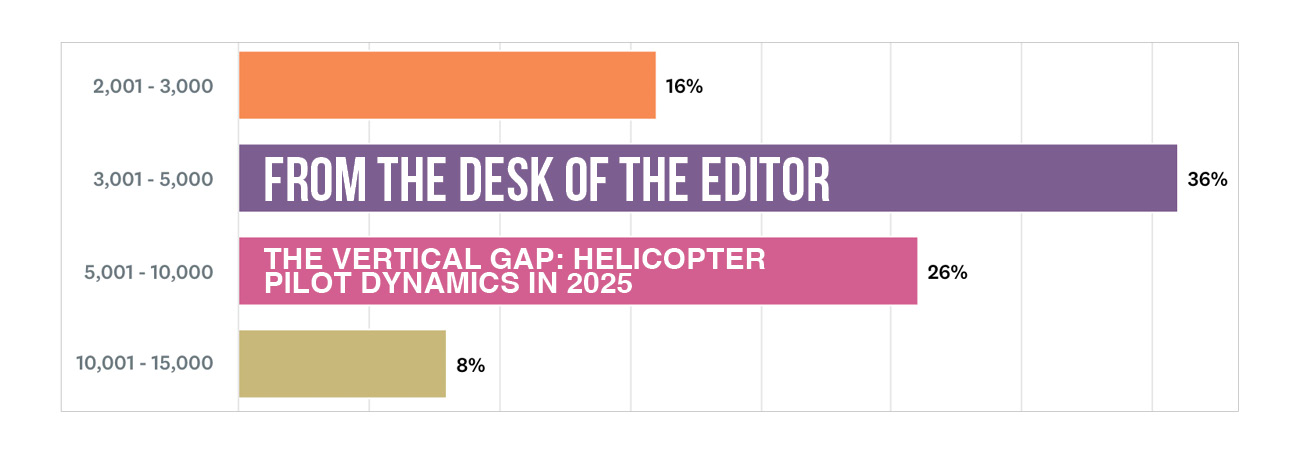
As we move through 2026, the aviation industry continues to grapple with a complex workforce landscape. While fixed-wing airline pilot shortages often dominate headlines, the rotary-wing (helicopter) sector faces a unique set of challenges. Leading up to now, several converging factors created a "perfect storm" that has redefined the career path for helicopter pilots, leading to significant shifts in compensation and recruitment strategies.
Factors Fueling the Shortage
The shortage of qualified helicopter pilots is being driven by a mix of generational shifts and structural industry changes:
The "Great Retirement" and Military Attrition: A significant portion of the senior helicopter workforce reached mandatory or self-imposed retirement age in the last few years. Historically, the U.S. military was the primary "pipeline" for civilian helicopter pilots. However, improved military retention programs and a decrease in total flight hours for service members have restricted this flow, forcing civilian operators to look elsewhere.
The Airline "Drain": One of the most significant pressures in the last few years has been the aggressive recruitment by major airlines. Fixed-wing carriers, facing their own shortages, created streamlined "bridge" programs that allow helicopter pilots to transition to jets with relatively little additional training. The lure of higher seniority and massive signing bonuses in the airline sector has led many experienced rotary-wing pilots to trade their rotors for wings.
Training Bottlenecks: The cost of helicopter flight training remains prohibitively high, often exceeding $80,000 to $100,000 for a commercial rating. Without the massive subsidized academies seen in the airline world, fewer new students entered the pipeline in the early 2020s, resulting in a lack of "mid-tier" experience levels in 2025.
Impact on Industry
As most are aware, salaries are directly impacted by the size of the labor force. Typically in a shrinking pool of available pilots, salaries and benefits will rise across the board. This has been the case for the last several years according to the data.
According to VAI (Vertical Aviation International), the shortage of qualified pilots is placing real pressure on operators across the industry. It affects scheduling, limits fleet utilization, and, in some cases, constrains the ability to meet mission demand, whether that is emergency medical services, firefighting, offshore transport, or tourism. Over time, it also increases costs and creates operational risk, particularly for smaller operators that do not have deep staffing flexibility. Although the cause and effects are known, the solutions are not easy.. “There is no single fix. This requires a coordinated approach across training, cost, and career awareness. We need to expand training capacity, reduce barriers to entry, and create clearer pathways from military and civilian training into commercial roles,” says François Lassale, president and CEO of VAI.
On page 54 we present the results of our annual U.S. Helicopter Pilot Salary & Benefits Survey in which we explore how shortages are impacting salary, benefits, and job satisfaction.
READ MORE MAR/APR ISSUE: https://bit.ly/RotorProMag_MarApr2026
READ MORE ROTOR PRO: https://justhelicopters.com/Magazine
WATCH ROTOR PRO YOUTUBE CHANNEL: https://buff.ly/3Md0T3y
You can also find us on
Instagram - https://www.instagram.com/rotorpro1
Facebook - https://www.facebook.com/rotorpro1
Twitter - https://twitter.com/justhelicopters
LinkedIn - https://www.linkedin.com/company/rotorpro1